A little more knowledge. A much better glass.
Summer wine is often reduced to one instruction: serve it cold. Yet the best summer wines South Africa has to offer are chosen for more than the weather. Acidity, texture and what is on the table matter just as much. Sauvignon Blanc can bring grilled fish to life; Chenin Blanc is remarkably adaptable; and a good Chardonnay deserves a place at a summer lunch.
For South African summer entertaining, the Alvi’s Drift Signature, 221 and Reserve whites, Pinotage Rosé and bubbly offer a useful starting point. The following summer wine recommendations begin with the grapes themselves, and why they work.

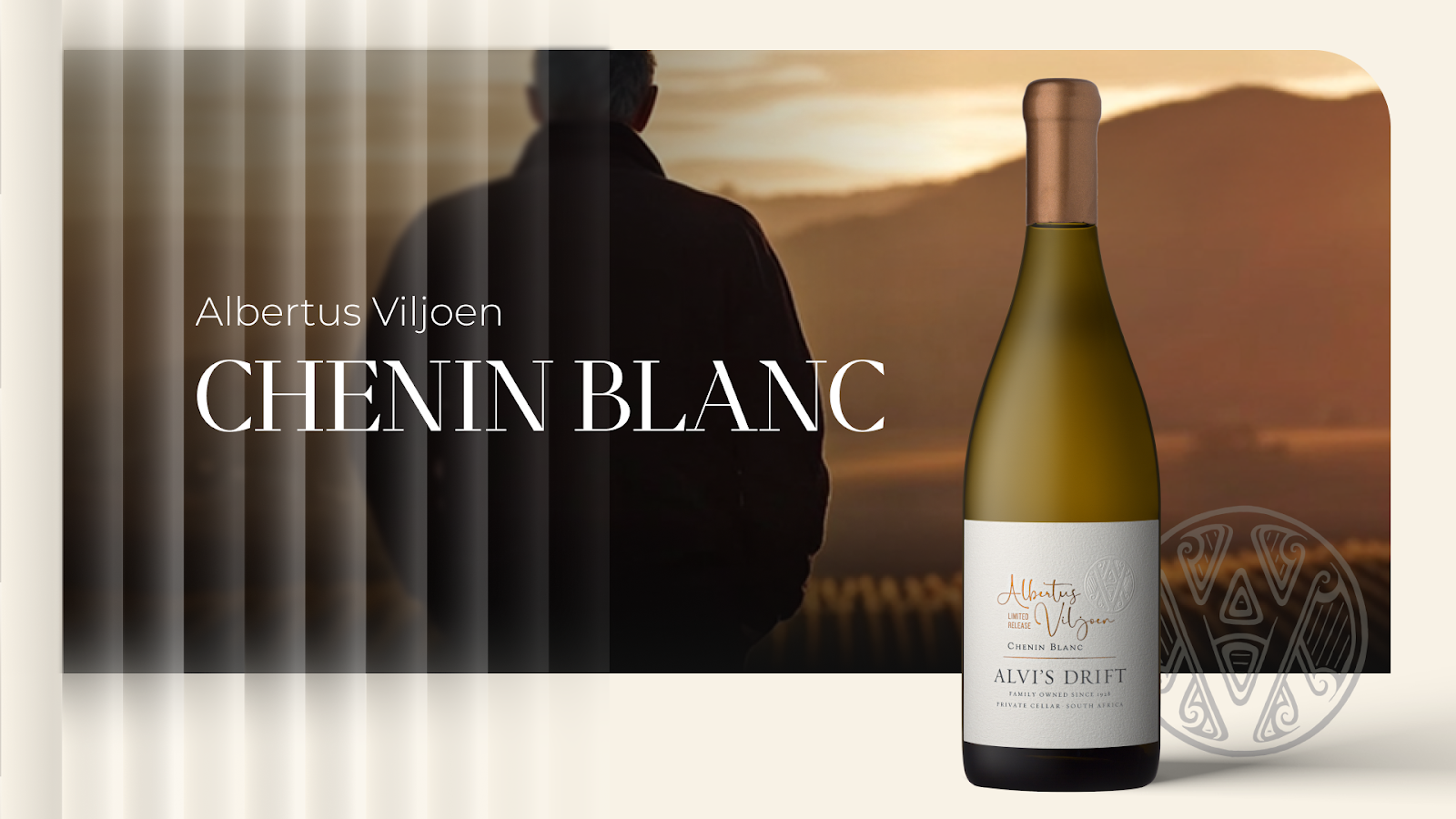
Chenin Blanc: South Africa’s white-wine calling card
Chenin Blanc was known locally as Steen for generations. Its identity was formally linked to Chenin Blanc from France’s Loire Valley in 1963. Today it remains South Africa’s most widely planted wine grape. Depending on how it is grown and made, Chenin can be crisp and refreshing or richer and more textured and just one reason it is such an interesting variety to explore.
That range of styles is what makes Chenin so useful with food. Alvi's Drift Signature Chenin Blanc is a natural starting point for a picnic of roast chicken, cheeses and salads. For spicy marinades or creamy dressings, consider 221 Chenin Blanc. A good white wine guide for summer should leave room for Chenin: few varieties are quite so accommodating when the menu changes halfway through planning.

Sauvignon Blanc: think beyond the first chilled glass
Sauvignon Blanc’s great advantage is its acidity. With lemon-dressed seafood, grilled prawns or herb-marinated chicken, it keeps each mouthful fresh. Alvi’s Drift 221 Sauvignon Blanc is an appealing wine for braai season, particularly when fish or chicken is on the coals for a more informal gathering.
A useful pairing trick: pay as much attention to the seasoning as the protein. Lemon, herbs and a salty dressing can matter more than whether the plate holds fish or chicken. That is why a chilled white wine at a typical South African braai can be every bit as appropriate as a red.

Chardonnay and CVC: summer wines with texture
It is a mistake to reserve fuller white wines for winter. Chardonnay can be excellent in summer, especially with roast chicken, grilled fish or seafood served with butter or cream. Our Reserve Chardonnay earns its place when lunch is built around the food rather than the weather.
Alvi's Drift Reserve CVC combines Chenin Blanc, Viognier and Chardonnay. It is a useful reminder that blending is not a compromise: different grapes can contribute freshness, aroma and texture to the same wine. Serve fuller whites cool, not ice-cold. Excessive chilling can mute the very details that make them interesting.
Pinotage Rosé: a South African original in another guise
Pinotage is unmistakably South African. Professor Abraham Perold created the grape in 1925 by crossing Pinot Noir and Cinsaut at Stellenbosch. It is usually associated with red wine, which makes a Pinotage Rosé a lovely way to see another side of the variety.
Alvi’s Drift Signature Pinotage Rosé has a place beyond the first glass at sunset. For a sundowner wine pairing, try grilled prawns or a few salty appetisers; if dinner follows, tomato-based dishes, sushi and lightly spiced food are worth exploring.

Bubbly: the difference is in the method
Not all sparkling wines are made alike. Cap Classique undergoes a second fermentation in the bottle, the traditional method that creates its bubbles and can add complexity through time on the lees. It is a detail worth knowing when choosing South African bubbly wine: the method can shape texture as much as the grape does.
For easy arrivals and afternoon gatherings, Alvi’s Drift Sparkling Brut Blanc de Blanc or Sparkling Brut Rosé set a relaxed tone. For a special seafood starter or a celebration, consider Brut Cap Classique. Those who enjoy a particularly dry style may prefer Brut Nature Vintage Cap Classique.
The detail that makes the difference
For fresh Sauvignon Blanc and lighter Chenin Blanc, aim for roughly 7–10°C. Rosé is often at its best around 8–10°C, while fuller Chardonnay and Reserve whites show more character closer to 10–12°C. Sparkling wine generally benefits from a cooler 6–9°C. These are useful starting points, not rules: taste the wine as it warms slightly in the glass.
The best selection is not necessarily the largest. Keep Signature Chenin Blanc and Pinotage Rosé ready for spontaneous lunches, choose 221 Sauvignon Blanc for a seafood braai, and open Reserve Chardonnay or CVC when the food calls for more depth.
Explore Alvi’s Drift summer wines online.
Not for sale to persons under 18. Enjoy responsibly.