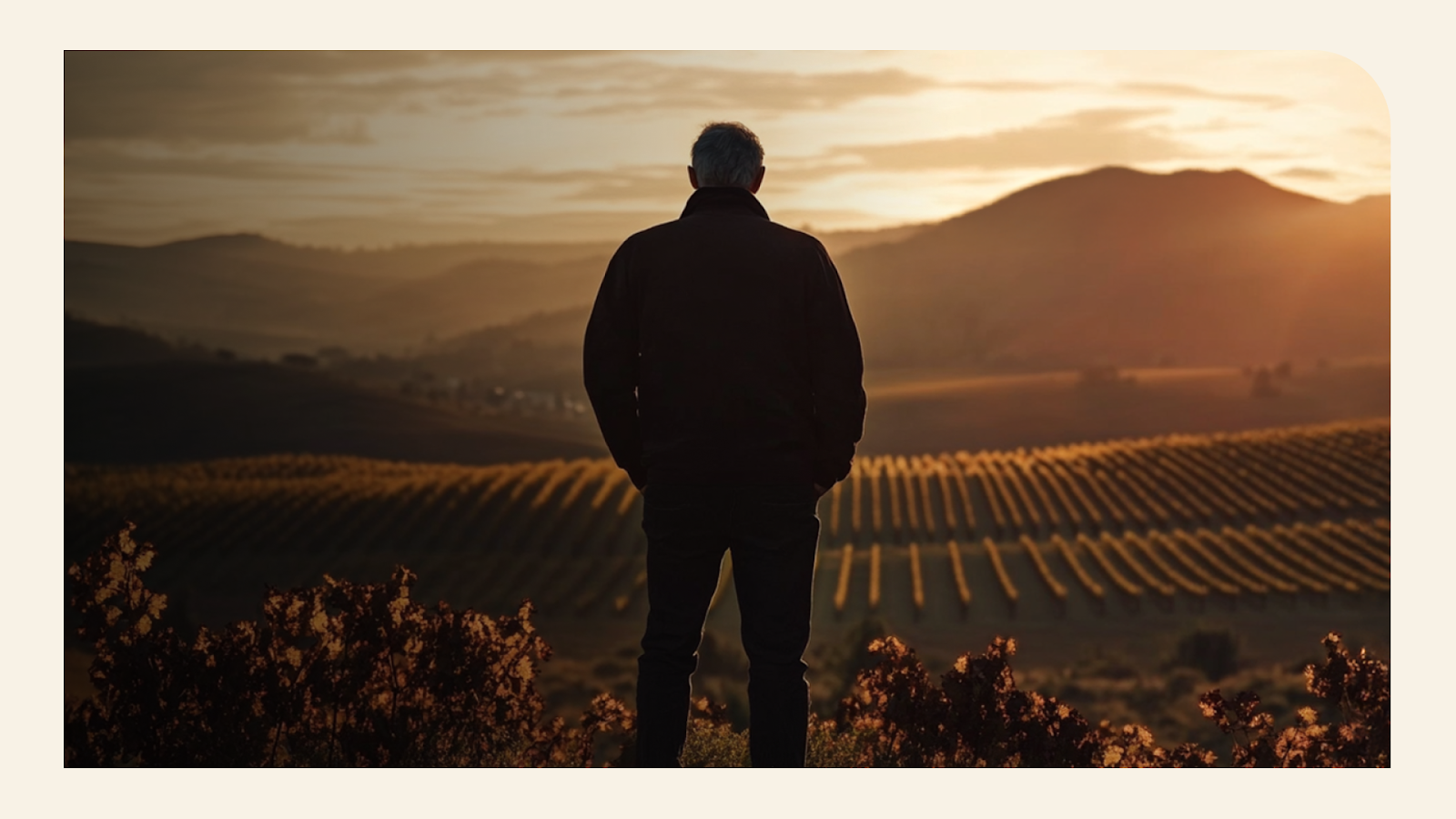
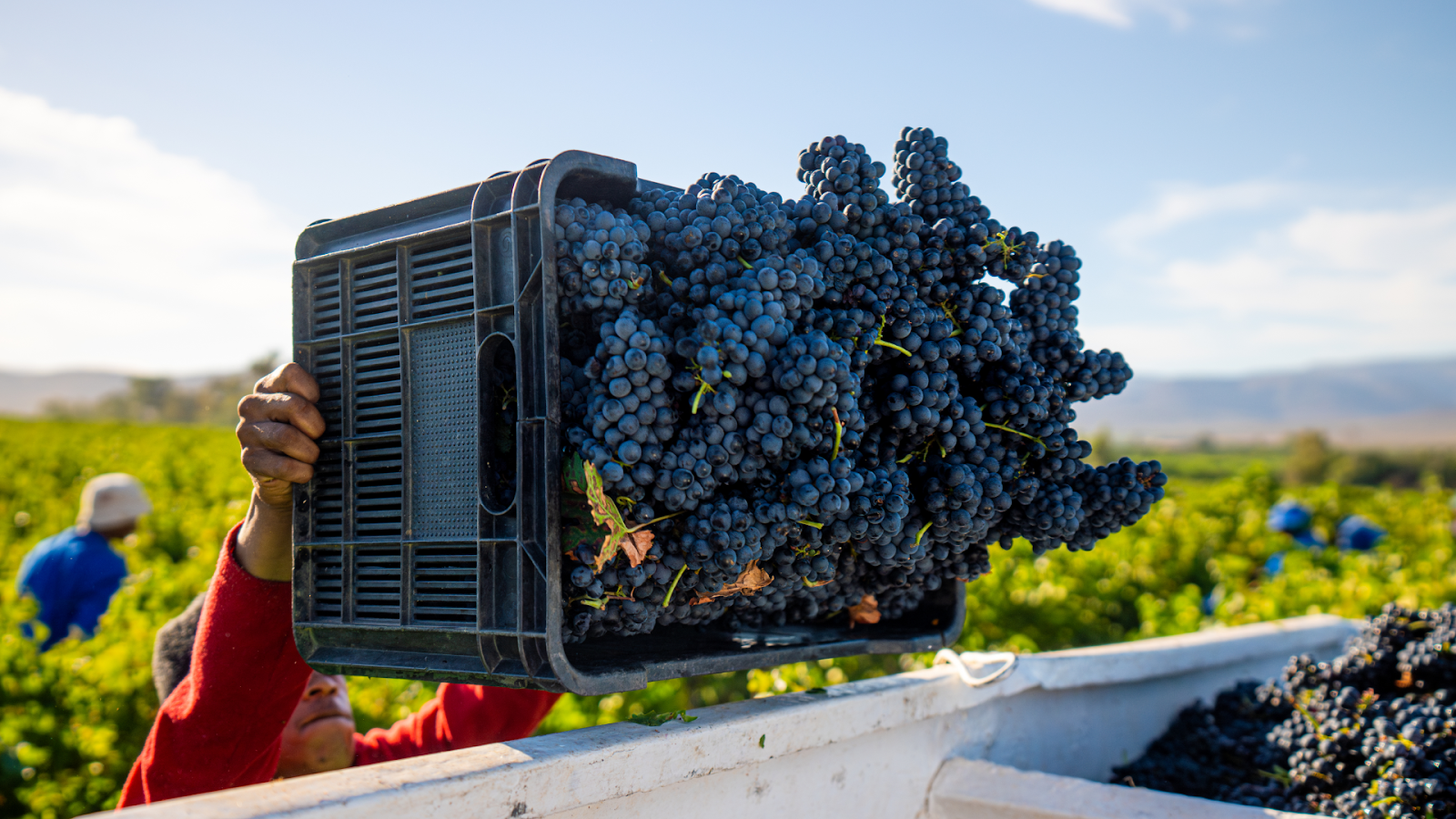
As the saying goes, “change is inevitable,” and the global wine industry is no exception.
Driven by new environmental pressures, new technology, and shifting consumer tastes are shaping how wine is made, and how it's chosen and enjoyed.
Importantly, wine aficionados want to understand the stories behind their chosen bottle, and what the producer stands for matters to them deeply.
Here's what's shaping the industry in 2025:
- Consumers want quality over quantity
- Traditional winemaking and terroir are back in focus
- Sustainability and social responsibility matter more than ever
- Wine lovers want to know the story behind each bottle
Read on for five key trends shaping the global wine industry in 2025.

Trend #1 – Sustainability & Organic Practices
“For our winery, sustainability must balance environmental stewardship, social responsibility, and economic viability. Only when a practice demonstrates lasting value for our people, the environment, and the future of our business do we integrate it into our approach. By staying true to these principles, we aim not only to create exceptional wines but also to contribute creating to a better world." – Richard Bradfield, Sales & Marketing Manager
More wine producers worldwide are choosing eco-friendly methods, like biodynamic and organic farming. These methods fight climate change and protect natural resources, while meeting growing demand for sustainable wine.
By 2025, sustainability will be a must-have for most wine buyers. Certifications for organic, fair trade, and regenerative farming will matter more. Wineries that skip these practices may face closer scrutiny from consumers.
Many wineries are also investing in:
- Solar and renewable energy
- Water conservation
- Carbon footprint reduction
Sustainable packaging is growing too. More wineries are using lightweight glass and biodegradable materials to cut environmental impact.
“At Alvi's Drift, we believe that true sustainability is at the heart of responsible farming,” says Richard. “Every decision we make is guided by its potential to benefit not only the present but generations to come. Inspired by nature, we carefully evaluate and adopt practices that align with our commitment to genuine sustainability – whether they are eco-friendly, informed by organic principles, socially beneficial, or market-driven.”

Trend #2 – Technological Integration & Artificial Intelligence
“While our winemaking practices are rooted in time-honoured traditions, we’re also embracing the future by utilising AI to enhance precision and boost sustainability.We combine the best of both worlds, this is how we ensure our wines remain exceptional.” – Riaan Marais, General Manager
AI and data technology are transforming industries everywhere — and wine is no exception.
Wineries are using AI for:
- Precision agriculture
- Predictive analytics
- Monitoring vineyard conditions
- Optimising harvest timing
- Predicting consumer preferences
Here's how AI is transforming winemaking, step by step:
In the Vineyard
AI can analyse weather patterns, soil conditions, and historical data to help winemakers make more informed decisions about irrigation, pest management, and fertilisation. This not only reduces waste, but also enhances efficiency, resulting in higher-quality wines at lower costs.
At Harvest Time
AI plays a vital role in helping winemakers make one of the most critical decisions of the season – when to harvest their grapes. By analysing factors such as sugar levels, acidity, and even weather forecasts, AI can predict yields and identify the perfect moment to pick the grapes. This ensures they are harvested at their absolute best, capturing the ideal balance of flavours and aromas.
In the Cellar
AI takes the guesswork out of fermentation by monitoring the process in real-time, tracking key elements such as temperature, sugar levels, and chemical composition. This can assist winemakers with fine-tuning each step, ensuring the fermentation stays on course in order to produce wines of consistent quality.

Trend #3 – Quality Over Quantity
Premiumisation means "drink less, but better." It's a shift toward more mindful wine drinking.
This trend is strongest among younger drinkers of legal drinking age. Millennials and Gen Z are choosing quality over quantity, fewer bottles, richer experiences.
What's driving this shift?
- A love for excellence and authenticity
- Interest in the story behind each wine
- A preference for meaningful experiences over frequent indulgence
This trend connects to wellness and sustainability too. Premium wines often highlight organic practices, small-batch production, and sustainable methods, all things today's conscious drinkers care about.
For many wine lovers, "less but better" isn't just a habit. It's a way to celebrate the passion and craft behind every bottle.

Trend #4 – The Rise of Wine E-commerce
Wine e-commerce boomed during COVID-19, and it shows no sign of slowing down.
Wine lovers everywhere have grown used to ordering wine online and having it delivered straight to their door.
Growth drivers include:
- Direct-to-consumer (DTC) sales, as wineries build closer ties with customers
- Wine subscriptions and curated wine clubs offering personalised selections and exclusive deals
- Better shipping logistics
- More platforms connecting consumers directly with wineries
The result? Online wine shopping is becoming easier, faster, and more personal.

Trend #5 – Exploring Alternative Grape Varieties
Climate change is reshaping wine regions worldwide. In response, winemakers are experimenting with lesser-known grape varieties that thrive in hotter climates.
Varieties gaining attention include:
- Assyrtiko (Greece)
- Fiano (Italy)
- Tannat (France)
These grapes handle heat well — and offer unique, exciting flavours.
“While our Scherpenheuvel wine ward is fortunate to be situated in a cooler region, we’re keeping an eye on these developments,” says Alvi’s Drift general manager Riaan Marais. “We always take a keen interest in the broader wine community's efforts to adapt to market preferences.”
By 2025, expect wider appreciation for wines made from lesser-known grapes, including the intriguing white varietal, Viognier.
More adventurous drinkers are seeking new taste experiences. This could even lead to new wine-growing regions in places once thought unsuitable for viticulture.

The Future of Winemaking
2025 will bring big changes for the wine industry. Producers are adapting to new consumer tastes, new technology, and environmental challenges.
Key trends to watch:
- Sustainability
- Premiumisation
- Technological innovation
- Alternative grape varieties
- Sustainably produced wines
Wineries that stay ahead of these trends will be best placed to succeed in a fast-changing, competitive market.

Explore Our Wines
Discover our selection of fine white, red, rosé, sparkling and Cap Classique wines, find your favourites, and get them delivered to your door!